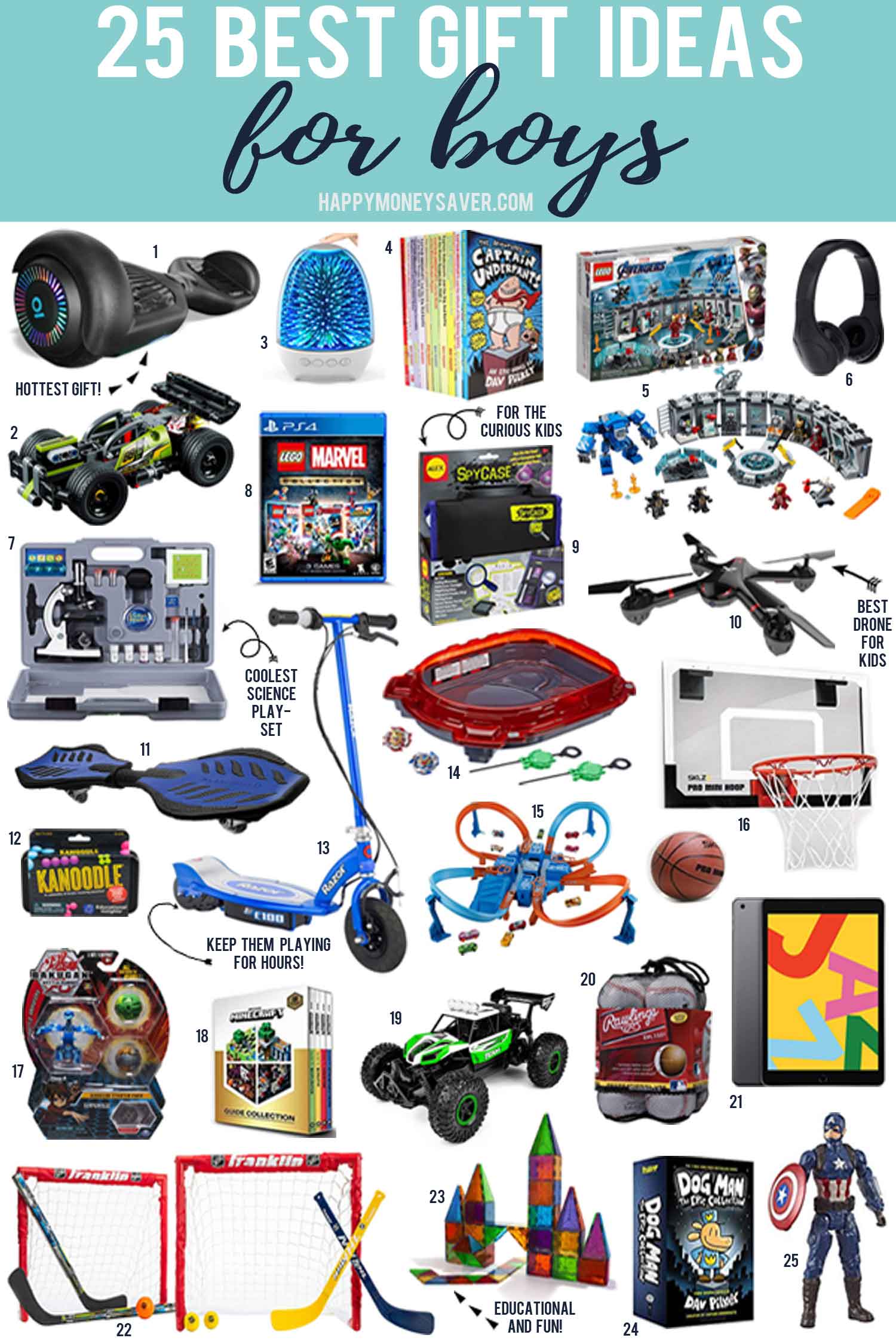
Christmas is a season of surprises, and for the little ones who love to fit pieces together, a puzzle set can be the star of the show. Whether you’re hunting for a gift that sparks imagination Christmas presents for kids or a brain‑boosting activity, the right puzzle can keep kids entertained for hours. This guide will walk you through the top choices, how to pick the perfect set, and creative ways to present it so it feels as magical as the holiday itself.
Why Puzzle Sets Make the Perfect Christmas Gift
Puzzle sets are more than just toys; they’re a doorway to learning and fun. Here’s why they’re a standout choice for the holiday season:
Cognitive Benefits
- Problem‑solving skills sharpen as children figure out how pieces fit. Spatial awareness improves when they visualize the final picture. Patience is cultivated; the “aha!” moment is worth the wait.
Social Skills
- Working in pairs or groups encourages teamwork. Sharing and taking turns teaches empathy and cooperation. Celebrating a completed puzzle builds confidence and pride.
> “The only thing that can stop a puzzle from being fun is a lack of patience.” – Unknown
Have you ever watched a child stare at a jumble of shapes and then, with a grin, start arranging them? That moment is pure joy, and it’s a gift that keeps on giving.
Top Picks for Every Age Group
Choosing the right puzzle depends on the child’s age, interests, and skill level. Below are curated options that fit different developmental stages.
Toddlers and Preschoolers
- Large, chunky pieces (50–100) that are easy to handle. Bright, simple images (animals, vehicles, favorite cartoons). Magnetic backing to keep pieces in place on the table.
Early Elementary (Ages 6–8)
- Piece count ranging from 200 to 500 for a balanced challenge. Theme‑based sets (space, dinosaurs, fairy tales) to spark imagination. Sturdy cardboard or wooden boards for durability.
Middle School (Ages 9–12)
- Complex puzzles (1,000–2,000 pieces) that test concentration. 3‑D or mechanical puzzles for a twist on the classic format. Custom photo puzzles using family pictures or holiday scenes.
How to Choose the Right Puzzle Set
A great puzzle is a blend of quality, design, and suitability. Consider these factors before you shop.
Piece Count
- Lower counts (≤200) are great for quick play and younger kids. Higher counts (≥1,000) offer a longer, more engaging experience for older children.
Theme and Design
- Match the theme to the child’s interests (e.g., a favorite movie or hobby). Look for vibrant colors and clear images to keep them engaged. Avoid overly complex images for younger kids; simplicity wins.
Material Quality
- Wooden puzzles are sturdy and eco‑friendly but pricier. Cardboard puzzles are lighter and more affordable, suitable for casual play. Magnetic puzzles add a fun twist and reduce the risk of losing pieces.
Creative Ways to Present the Gift
Presentation can turn a simple puzzle into a memorable experience. Here are ideas to make the unwrapping as exciting as the puzzle itself.

Wrap It Like a Masterpiece
- Use a themed wrapping paper that matches the puzzle’s image. Add a personalized ribbon with a holiday charm or a small toy. Include a handwritten note that hints at the puzzle’s challenge.
Add a Personal Touch
- Pair the puzzle with a custom “starter guide” that explains the puzzle’s theme. Create a mini “puzzle club” kit with a small notebook for progress tracking. Offer a “puzzle night” voucher” for a family game evening.
The Perfect Gift Awaits
Choosing the best Christmas gifts for kids who love puzzle sets is both an art and a science. By focusing on age‑appropriate difficulty, engaging themes, and high‑quality materials, you’ll give a gift that delights, educates, and lasts long after the holiday lights dim. Remember, the real magic lies not in the puzzle itself but in the moments of discovery, teamwork, and triumph that it sparks.
So this Christmas, why not let a puzzle set be the centerpiece of a gift that keeps on giving? Happy hunting—and may your holiday season be filled with bright colors, fitting pieces, and plenty of “aha!” moments.